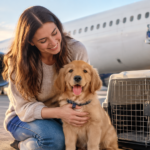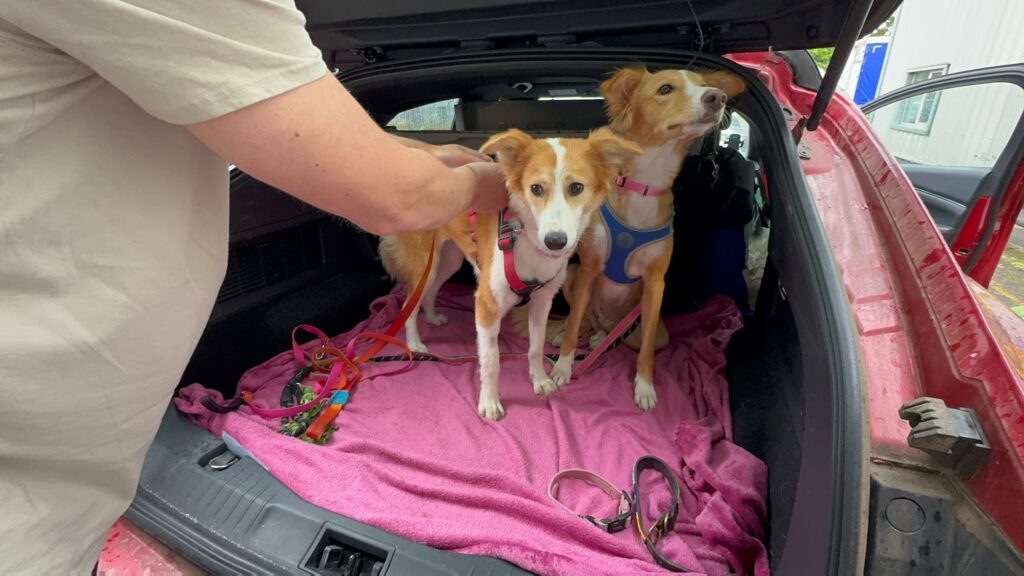
Moving across continents is exciting. It can also feel overwhelming when a furry family member is coming along. Leaving a pet behind is not an option for most owners. So how does Pet Relocation To Canada actually work from the Gulf? The process is more manageable than most people expect once the steps are clear.
Why More Families Are Choosing Canada
Canada welcomes thousands of newcomers from the UAE every year. Many of them bring cats and dogs along. The country is known for its pet-friendly parks and rental policies in many cities. Toronto alone has hundreds of off-leash areas. A Labrador from Dubai would probably think it had landed in paradise.
Understanding the Rules Set by Canada
The Canadian Food Inspection Agency (CFIA) oversees pet imports. Its rules depend on the animal and its age and its country of origin. Dogs older than three months generally need a valid rabies vaccination certificate. Cats face lighter entry rules but airlines often ask for the same paperwork. Every document must be in English or French. Requirements can change so owners should always confirm the latest details before booking anything.
Preparing Your Pet in the UAE
Preparation should begin at least two to three months before departure. A typical checklist looks like this:
- Microchip your pet with an ISO-compliant chip
- Update the rabies and routine vaccinations
- Book a health check with a licensed vet
- Obtain the export health certificate through the relevant UAE authority
Here is a tip many first-timers miss. The microchip must be implanted before the rabies shot. A vaccination given beforehand may not count. That small detail has caused costly delays for plenty of families.
Choosing the Right Flight and Travel Crate
Direct flights from Dubai to Toronto take around thirteen hours. That is a long journey for any animal. Some pets travel in the cabin while larger ones go in the climate-controlled cargo hold. Airlines set their own limits on size and weight and breed. Snub-nosed breeds such as bulldogs and pugs often face seasonal restrictions because they struggle with breathing at altitude.
The travel crate matters just as much. It must be IATA-approved and roomy enough for the pet to stand and turn and lie down comfortably. A few weeks of crate training can turn a nervous traveller into a calm one. Ever seen a cat nap peacefully in a carrier? It usually means practice paid off.
Landing in Canada: What Happens Next
Arrival is smoother than many owners imagine. A CFIA officer reviews the documents and may inspect the animal. Most healthy pets with correct paperwork clear this stage quickly. Pick-up at the airport follows and then the long-awaited reunion. Owners should also plan a visit to a local vet within the first few weeks to register the pet and set up a care routine.
Why Professional Support Makes a Difference
Doing everything alone is possible but the margin for error is small. One missing signature can ground a pet at the departure gate. Specialists in Pet relocation from Dubai to Canada handle the paperwork and airline bookings and vet coordination from start to finish. They also keep owners updated every step of the way. For busy families already juggling visas and shipping and school admissions this support is priceless.
Final Thoughts
A pet is never just luggage. It is a companion who shares the highs and lows of a big life change. Careful planning and honest timelines and the right guidance turn an intimidating journey into a heartwarming one. Start early and ask plenty of questions. The wagging tail or contented purr waiting at the end of the trip is worth every effort.
Anyone searching online for trusted help with Pet Relocation To Canada can explore Yalla Pets for dependable and stress-free pet travel solutions from the UAE.
FAQ: Pet Relocation To Canada
How long does pet relocation to Canada from the UAE take?
Most owners need two to three months for vaccinations and paperwork and flight arrangements.
Do pets need quarantine in Canada?
Healthy pets with complete documents are usually not quarantined. The CFIA officer makes the final call at arrival.
Can pets fly in the cabin?
Small pets can often travel in the cabin if the carrier fits under the seat. Larger pets travel as cargo.
Is a microchip compulsory?
Airlines and authorities strongly expect one. It also protects a lost pet’s identity abroad.
How much does the move cost?
Costs depend on the pet’s size and the airline and the services used. A professional quote gives the clearest picture.